Protein for Healthy Aging: The Essential Nutrient Your Body Needs After 30
The Hidden Crisis: Why Your Muscles Are Disappearing
As Korea transitions into a super-aged society, health experts are sounding the alarm about a silent epidemic—muscle loss. According to the Ministry of Health and Welfare, a staggering 87% of elderly households suffer from chronic diseases like diabetes and degenerative arthritis, conditions directly linked to declining muscle mass.
But here's what most people don't realize: this decline starts at age 30, not 60. Understanding protein's role in combating this trend could be the key to maintaining your vitality for decades to come.
1. The Science of Muscle Loss: A Timeline You Can't Ignore
"Sarcopenia: The Silent Thief of Strength"
Your body begins losing muscle earlier than you think, and the rate accelerates with each passing decade.
- Key Research Findings:
- Why This Matters:
- The Solution: Adequate protein intake combined with resistance exercise can significantly slow—and even reverse—this decline.
- Decade-Long Trends:
- Health Consequences:
- Root Cause: The traditional Korean diet, while rich in vegetables and carbohydrates, often lacks adequate animal protein sources essential for maintaining muscle.
- Complete Animal Proteins (All 9 Essential Amino Acids):
- Plant-Based Alternatives:
- Optimal Strategy: Combine multiple sources throughout the day to ensure complete amino acid coverage and maximum absorption.
- Timing Matters:
- Special Considerations: Athletes, pregnant women, and those recovering from illness may require higher amounts—consult a healthcare professional.
- Essential Quality Markers:
- Types of Protein Supplements:
- Red Flags to Avoid: Added sugars, artificial fillers, and products lacking amino acid profile disclosure
- Age 30+: Muscle mass begins declining at approximately 1% per year - By Age 65: You've lost roughly 30% of your peak muscle mass - By Age 80: Over 40% of muscle tissue has deteriorated
- Reduced metabolic rate leads to weight gain - Weakened immune response increases illness susceptibility - Loss of balance and coordination elevates fall risk - Decreased bone density accelerates osteoporosis
💡 Pro Tip: The medical term for age-related muscle loss is sarcopenia, derived from Greek words meaning "poverty of flesh." Early intervention is key to prevention.
2. The Protein Deficiency Epidemic: Alarming Statistics
"Over Half of Seniors Are Nutritionally At-Risk"
A comprehensive analysis of the 2010-2019 National Health and Nutrition Examination Survey reveals troubling trends in protein consumption across Korea.
- Insufficient protein intake increased from 21.7% (2010) to 27% (2019) - The problem is particularly acute in men of all ages and women aged 20-30 - 34.5% of men aged 65+ fail to meet minimum protein requirements - 44.7% of women aged 65+ are protein deficient—nearly half!
- Sarcopenia: Progressive loss of muscle mass and function - Compromised Immunity: Increased vulnerability to infections - Slower Recovery: Extended healing time from injuries and surgeries - Cognitive Decline: Emerging research links protein to brain health
3. Optimal Protein Sources: Building Your Nutrition Foundation
"Quality Matters as Much as Quantity"
Not all proteins are created equal. Here's how to maximize your protein intake with the best available sources.
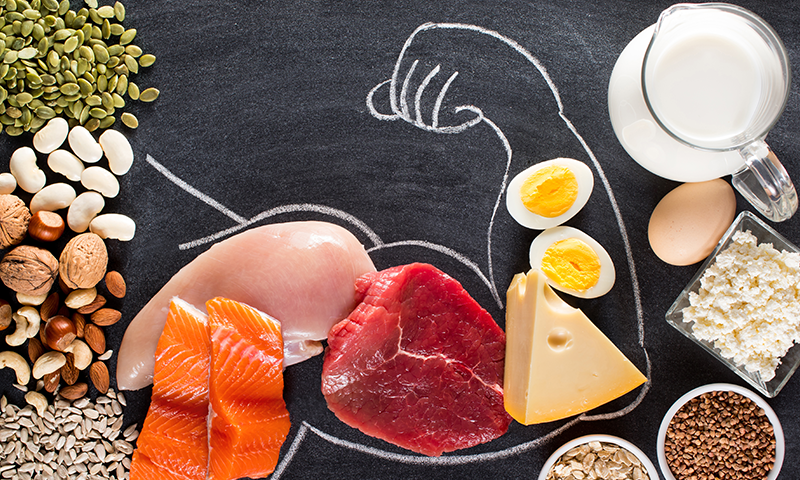
- Chicken Breast: 31g protein per 100g, lean and versatile - Eggs: 6g per egg, nature's perfect protein package - Salmon: 25g per 100g, plus omega-3 fatty acids for heart health - Lean Beef: 26g per 100g, rich in iron and B12
- Tofu: 8g per 100g, excellent for vegetarian diets - Legumes: Beans, lentils, and chickpeas offer 7-9g per 100g - Quinoa: Complete plant protein with 4g per 100g
🥗 Meal Planning Tip: Aim for 25-30g of protein per meal, distributed evenly across breakfast, lunch, and dinner for optimal muscle protein synthesis.
🚀 Ready to Take Control of Your Health?
Start your journey toward optimal nutrition with Atomy's premium health products. Join thousands of health-conscious individuals already experiencing the difference.
4. Calculating Your Personal Protein Needs
"One Size Does Not Fit All"
Your ideal protein intake depends on your body weight, activity level, and health goals. Use this science-based guide to determine your requirements.
| Your Goal | Protein Requirement | Example (60kg Adult) |
|---|---|---|
| Basic Maintenance | 1.0g per kg body weight | 60g daily |
| Active Lifestyle | 1.2g per kg body weight | 72g daily |
| Muscle Building (Women) | 1.5g per kg body weight | 90g daily |
| Muscle Building (Men) | 1.5-2.0g per kg body weight | 90-120g daily |
| Weight Loss | 1.0-1.2g per kg + reduced carbs | 60-72g daily |
- Consume protein within 30 minutes post-exercise for optimal recovery - Spread intake across 3-4 meals rather than one large serving - Include protein with every meal and snack
5. Navigating the Protein Supplement Market
"Complete vs. Incomplete: Understanding Quality Indicators"
When dietary sources fall short, supplements offer a convenient solution. Here's what separates premium products from mediocre ones.
- Complete Protein: Must contain all 9 essential amino acids—Histidine, Isoleucine, Leucine, Lysine, Methionine, Phenylalanine, Threonine, Tryptophan, and Valine - Amino Acid Score: WHO-established metric measuring protein quality; look for 85+ (good) or 100+ (optimal) - Digestibility: PDCAAS or DIAAS ratings indicate how well your body absorbs the protein
- Whey Protein: Fast-absorbing, ideal post-workout - Casein Protein: Slow-release, perfect before sleep - Soy Protein: Complete plant-based option - Pea + Rice Blend: Vegan complete protein alternative
⚠️ Medical Advisory: Individuals with kidney disease, liver conditions, or phenylketonuria (PKU) should consult healthcare professionals before supplementation.
Summary at a Glance
| Life Stage | Muscle Status | Daily Protein Target | Priority Action |
|---|---|---|---|
| Ages 30-50 | Decline begins (~1%/year) | 1.0-1.2g per kg | Start prevention now |
| Ages 50-65 | Accelerated loss | 1.2-1.5g per kg | Increase intake significantly |
| Ages 65+ | 30-40% total loss | 1.5g+ per kg | Consider supplementation |
Daily Implementation Guide
- Morning Protein Boost: Start your day with eggs or Greek yogurt to jumpstart muscle protein synthesis.
- Midday Maintenance: Include lean protein (chicken, fish, tofu) with lunch for sustained energy.
- Post-Exercise Window: Consume 20-30g protein within 30 minutes of physical activity.
- Evening Recovery: A protein-rich dinner supports overnight muscle repair and growth.
- Smart Snacking: Choose nuts, cheese, or protein bars between meals.
The Bottom Line
Protein isn't just for bodybuilders—it's a fundamental nutrient that becomes increasingly critical as we age. By understanding your body's changing needs and making strategic dietary choices, you can maintain muscle mass, support immune function, and enjoy a more vibrant, active life well into your senior years.
The science is clear: adequate protein intake, combined with regular exercise, is your best defense against age-related muscle loss. Start today, because every year of delay means more muscle to rebuild.
💪 Transform Your Health Today
Don't wait until muscle loss becomes irreversible. Take the first step toward a stronger, healthier future with Atomy's scientifically-formulated nutritional products.
Disclaimer: This article is for educational purposes only and does not constitute medical advice. Individual nutritional needs vary—please consult a qualified healthcare professional or registered dietitian for personalized guidance.
Sources: Ministry of Health and Welfare Republic of Korea, Journal of the Korean Society of Community Nutrition (2022), National Health and Nutrition Examination Survey (2010-2019), Korean Journal of Family Practice